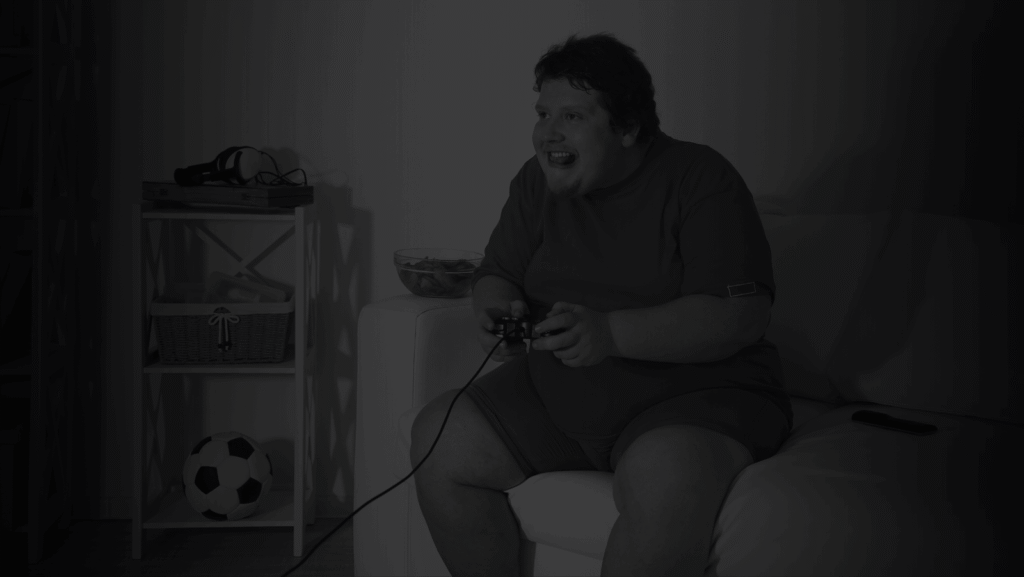
Is your son living at home with no strings attached?

My name is Brook Price, I’m the co-founder of Forte Strong and I’m really interested in learning more about your son so I can help YOU help HIM. Let me first tell you that I’ve helped young men succeed for over thirteen years and I’m an open book so if you have any questions at all, feel free to ask. You wanted to know more about Forte Strong and what we do. Forte Strong is a 6 month program located in Southern Utah that specifically addresses the “Failure to Launch” epidemic that is sweeping our nation. We only work with a very specific niche of young men which is just one of the reasons why we have achieved so much success. Our students typically struggle becoming happy, successful and independent young men for a host of reasons which I will mention. The biggest reason is not a lack of intelligence or skill, it’s a lack of confidence. 99% of the students that I see are not at home as result of making bad decisions as much as a result of making no decisions. Plain and simple truth is they are afraid of failure. Afraid of making mistakes, so they make the biggest mistake of all… they stop trying. They confine themselves to their rooms and hardly come out, afraid to live in an ever changing world with a multitude of unknowns. If this sounds like your son than you have come to the right place. If not, I would gladly recommend another program.

your son is living at home with no strings attached, your son is dependent. If your son is out of the house but something in the pit of your stomach tells you he’ll coming back, more than likely your son is dependent, living an independent lifestyle until something unexpected happens and he has to problem solve. Parents really only have 2 choices. You can kick him out of the house in hopes he can make it on his own or you can seek help.

Now ask yourself. Is your son independent or does he merely living an independent lifestyle? If

Parents begin to search for answers. They read book, articles, listen to audio tapes and watch video clips offering different explanations and approaches. The easiest of all these approaches is drugs.  reasons as to why their son is failing to launch. Some turn to psychiatrists for medications to

Often parents are interested in wanting their son to get a job, earn money, manage money, pay bills in hopes that they will learn something and eventually move out. There are two things that are wrong with this approach… first, there is no leverage. Let me explain what leverage is first. Leverage is the power or ability to act or to influence people, events,decisions, etc.; sway. Where is the leverage if the boy is still at home with his every need taken care of by someone else. There isn’t any leverage. Second is that true independence is not just about being able to make it on your own financially,

Many parents today are faced with a dilemma: How do I support my adult child in becoming independent? Do I let my adult child live in my home while he or she struggles to find a job? These parents think, “The economy is bad…maybe there really are no jobs out there. Should I continue paying for things like my child’s vehicle, insurance, clothes and cell phone? Maybe I should move him into an apartment just to get him out and pay the first few months’ rent, but after that it’s up to him. Or do I just kick him out of the nest and hope he learns to fly?” Kim Abraham and Marney Studaker-Cordner understand and have helped countless families in this situation. In their popular series on adult children in Empowering Parents, readers have learned why so many adult kids still live at home, and how adult children work “the parent system.” In Part 3, you’ll hear six specific steps that will help your adult child leave the nest.

The important thing to remember: your adult child is notentitled to live in your home past the age of eighteen. It’s a privilege and you have every right to set the parameters. That’s always been your right – and always will be.

Related: How to set limits with your child, teen or adult child.

First of all, we understand that many families in today’s economy do share a household for financial or other reasons. If you’re in a situation where your adult child is living with you and it’s mutually beneficial – or at the very least mutually respectful – that’s fine. This article is intended to help parents whose adult child is dependent or lives at home in a situation that’s become uncomfortable or even intolerable. In recent articles, we’ve looked at how over time our society has moved from caring for our children to caretaking for our children, sometimes long into their adulthood. Many parents are held hostage by emotions: anger, frustration, disappointment, guilt and fear of what will happen if they do throw their adult birdie out of the nest without a net. Today, we’re going to give you some concrete steps to help that birdie finally fly!

Step One: Know Where You Are

The first task in moving your adult child toward independence is to assess where you are right now. Ask yourself these questions:

  1. Are you in a place where your boundaries are being crossed and you need to establish some limits?
  2. Are you willing to allow your adult child to live in your home, within those limits, as he or she moves toward being more independent?
  3. Do you see your adult child as wanting to become independent, or as simply being more comfortable allowing you to take care of all their responsibilities?
  4. Has the situation become so intolerable – perhaps even volatile – that your main concern is getting your adult child out of your house, as quickly and safely as possible?

Where you are with regard to your adult child will determine—in part —what steps you need to take next.

Step Two: Change Your View

Instead of picturing of your adult child as a little bird whose wings may not hold him up when he leaves the nest, think of him as fully capable of flying. Our emotions can cause us to be so afraid of what will happen to our kids that we think of them as children, rather than adults. In reality, your adult child is an adult—equal to you and equally capable of making it in this world. Thinking of him as incapable is actually a disservice to him and keeps you in parental caretaking mode. Your adult child may be uncomfortable with some of the steps you’re taking that encourage more responsibility but that’s okay. It’s what he needs to experience in order to make changes within himself. Changing your viewpoint will help you strengthen those “guilt” and “fear” emotional buttons.

Step Three: Identify and Strengthen Your Emotional Buttons

Identify ahead of time what your limits and boundaries are, what you’re willing to follow through with and which emotional buttons will most likely get you to give in. One parent told us, “I’m okay with my adult child not having extras (cell phone, video games, internet, haircuts) but I can’t let him be on the street. I know myself. I’ll never stick to it.” That parent knew they would allow their child to live in their home without the benefit of extras or entitlements, so that’s the boundary that was established. Turns out, that adult child decided those “extras” were important to him, so once his parent shut down the Parent ATM, he was motivated to get a job and pay for things—including an apartment—himself.

Related: Does your adult child have a substance abuse problem?

Step Four: Make Your Boundaries Clear

Once you’ve strengthened your emotional buttons, it’s time to share what the new reality will be with your adult child. If your adult daughter lives in a separate residence but still depends on you as a source of income, make your boundaries clear: state what you will and will not pay for. If you need to start out small and work your way up, that’s okay. If you just can’t stop buying groceries yet because you know you won’t follow through with allowing your daughter to eat at soup kitchens or wherever she can find food (friends, etc.), then start with things like cell phones, haircuts, money for gas, cigarettes, internet and other non-necessities. It’s her responsibility to locate resources: friends, churches, government assistance. Your adult child can always apply for assistance through government programs such as food stamps and rental assistance if she is truly unable to locate work and support herself.

If your adult child lives in your home, draw up a contract that specifies the terms of her living there. This is an agreement between two adults. Don’t think of her as your child; picture her as a tenant. Then you’ll be less likely to have your emotional buttons set off. (If your neighbor gave you a sob story about how much she needed a cell phone, would you buy it? And pay the monthly bill?) An adult child may decide he or she doesn’t like the contract and will decide to live elsewhere. More power to them! The important thing to remember: your adult child is not entitled to live in your home past the age of eighteen. It’s a privilege and you have every right to set the parameters. That’s always been your right – and always will be.

Step Five: Shut Down the Parent ATM (PATM)!

The key to launching your adult birdie is to make it more uncomfortable to depend on you than to launch. A huge part of making your adult child uncomfortable is to stop paying for all the “extras”: things he or she views as necessities that really aren’t. In this world, he can live without cell phones, internet, computers, haircuts, make-up, clothes from the mall, video games and any other leisure activity you can name. If he’s struggling, he can get clothes from Salvation Army or Goodwill. He can take the bus. He can eat cheap. (Think boxed macaroni & cheese and Ramen noodles. You know…what many of us ate when we didn’t have any money.) If he doesn’t have the money for cigarettes or alcohol– he doesn’t get them. Many adult children make a career out of working their parents to provide things for them that they can’t afford themselves.

Most people aren’t going to provide these things to your adult child. There is no Neighbor ATM, Friend ATM (well, maybe a few times, but they’ll shut that down real quick) or Third-Cousin-Twice-Removed ATM. But there is a Parent ATM. Why? Because we’re typically the only ones with emotional PINs that work to spit that money out! (Read the previous article on emotional buttons and continue to strengthen them, so you can stop paying for things that keep your adult child comfortable. Disconnecting those buttons—and turning off the Parent ATM—is probably the biggest step you will take toward launching your adult son or daughter.)

Look at it this way. Your adult son’s hair can get really, really long; he doesn’t need a haircut. He doesn’t have to text; he can write letters. Stamps are less than a dollar vs. a $50/month data package. He can live without these things. Truly. He just doesn’t want to. It’s okay for your adult child to be uncomfortable; we’ve all been uncomfortable and survived. It’s actually a good thing and necessary for change.

This is the key: change occurs when things feel uncomfortable, out of balance or unsteady for a person. It’s what motivates them to find their equilibrium again, through employment, returning to college, offering their services through odd jobs or whatever it takes to get the things in life that they want.

Related: How to give consequences that work.

Step Six: Enough is Enough

Some parents have adult children at home who are abusing them verbally or even physically. You have the right to live in your own home, free from abuse, intimidation or disrespect. Anytime someone treats you in this way, they are violating a boundary and sometimes violating the law. It’s your right to establish personal boundaries that keep you physically and emotionally safe. In other situations, some adult children are not quite abusive, but they have literally worn out their welcome by taking and taking (financially and emotionally) without giving in return. The bottom line is you do not have to feel guilty about moving your adult child into independence so you can have your own life back. You have the right to spend your money on things for yourself. You have the right to enjoy peaceful evenings in your own home. You have the right to have the environment you want in your home. You’ve raised your child. He’s an adult now. You are not expected to provide for him any more than your parents are expected to provide for you as an adult.

If you are in a situation that is intolerable with your adult child and have decided he needs to move out of your home, the following steps will help:

Remember to strengthen those emotional buttons.  If your adult child typically pushes the “guilt” and “sympathy” buttons in order to stay dependent and comfortable, prepare yourself for what’s coming and come up with a plan on how you’ll handle it. You might even try making some note cards or adopt a slogan to remind yourself that you have the right to have your own home, free from negativity or meeting another adult’s needs.

Next, contact your local court to gather information about what legal steps you can take to move your adult child out.  Many states require you to serve a “Notice to Quit” to any adult living in your home. If your adult child still refuses to leave, you may need to follow up with an Eviction Notice that gives a deadline for him to move out, typically thirty days. If your adult child still refuses to leave, your local police department can enforce the eviction and will often notify the person that they will be escorted out of the home anywhere from 24 to 48 hours later. (Note: We aren’t able to address all legalities fully in this article due to the fact that each state differs in its laws regarding eviction.)

Related: Is your child verbally abusive?

Eviction steps may sound harsh but remember to think of your adult as a tenant. If you’re to the point of evicting your adult son or daughter out of your home, things have probably reached a point that is simply intolerable for you. Your adult child may resist moving out at first, but again, the more uncomfortable he is, the more likely he is to leave on his own accord. If you fear violence or other repercussions from your child because of these steps, it’s beneficial to seek out local resources on domestic violence and/or contact the court regarding your right to a restraining order. Safety always comes first and if you’re in a domestic violence situation with your adult child, you’ll want to talk with someone knowledgeable about a safety plan.

A Side Note…

If you’re living with a spouse or long-term partner who is not on the same page as you, it can make putting these steps into effect extremely difficult. You can only control yourself. If it’s causing serious conflict, you may want to seek counseling regarding how you can come to a mutual agreement.

The Bottom Line

Many, many young adults are struggling to become independent in today’s generation. Yes, the economy is bad and our country is experiencing hard times. But that’s nothing new. We’ve gone through recessions and depressions in the past. Families used to have “leftover parties,” where they got together and turned their leftovers into a meal. They used to wait until the weekend to talk on the phone to long-distance relatives so the rates were lower. Sometimes there wasn’t a yearly vacation and kids brown-bagged it instead of buying hot lunches. There’s nothing wrong with a family pulling together to make it in today’s world. The difference with many of the young adults in today’s generation seems to be in the sense of entitlement and the aversion to sacrificing in order to make it. Gone are the days of “If you can’t afford it, don’t buy it.” Today, society is all about technology and instant gratification. But it’s not too late to teach our adult children the values of delayed gratification and working for things they desire. It’s okay for them to be uncomfortable and realize they can survive hard times through self reliance. If your guilt or fear buttons start reacting, remember: we give our kids these lessons out of love.  

Read more: http://www.empoweringparents.com/Six-Steps-to-Help-Your-Adult-Child-Move-Out.php#ixzz2CKT61dLB

By Serena Gordon

HealthDay Reporter

“What we’ve known from other studies is that video gaming addiction looks similar to other addictions. But what wasn’t clear was what comes before what. Gaming might be a secondary problem. It might be that kids who are socially awkward, who aren’t doing well in school, get depressed and then lose themselves into games. We haven’t really known if gaming is important by itself, or what puts kids at risk for becoming addicted,” said Douglas A. Gentile, an associate professor of psychology at Iowa State University in Ames.

Not only did the study reveal risk factors for pathological gaming, “the real surprise came from looking at the outcomes, because we had assumed depression might be the real problem,” explained Gentile. “But we found that in kids who started gaming pathologically, depression and anxiety got worse. And, when they stopped gaming, the depression lifted. It may be that these disorders [co-exist], but games seem to make the problem worse.”

Playing video games more than 30 hours a week, lack of social competence, less-than-average empathy and greater impulsivity all contributed to the addiction, the researchers found.

Gentile also recommends no more than two hours a day of “screen time,” in line with the American Academy of Pediatrics’ guidelines. And, screen time includes TV, computer, video games and even the newest music players and smart phones that have computer-like capabilities.


By Lindsey Tanner

CBS NEWS

CHICAGO — The telltale signs are ominous: teens holing up in their rooms, ignoring friends, family, even food and a shower, while grades plummet and belligerence soars.

The culprit isn’t alcohol or drugs. It’s video games, which for certain kids can be as powerfully addictive as heroin, some doctors contend.

Up to 90 percent of American youngsters play video games and as many as 15 percent of them — more than 5 million kids — may be addicted, according to data cited in the AMA council’s report.

Postings also come from adults, mostly men, who say video game addiction cost them jobs, family lives and self-esteem.

The study found that 88 percent of the nation’s children ages 8 to 18 play video games. With 45 million children of that age in the country, the study would suggest that more than 3 million are addicted “or at least have problems of the magnitude” that call for help, Gentile said.

“It’s not that the games are bad,” said Gentile, who is also director of research at the nonprofit National Institute on Media and the Family. “It’s not that the games are addictive. It’s that some kids use them in a way that is out of balance and harms various other areas of their lives.”

I think kids use this just the way kids watch television, the way kids now use their cellphones,” said Michael Brody, chairman of the media committee of the American Academy of Child and Adolescent Psychiatry. “They do it to relieve their anxiety and depression. It’s all a matter of balance.”

WEBMD/ July 3, 2006, 6:35 AM

Detox For Video Game Addiction?

CBS NEWS

Unlike with substance abuse, the biological aspect of video game addiction is uncertain. “Research suggests gambling elevates dopamine,” Young says, and gaming is in the same category. But there’s more to addiction than brain chemistry. “Even with alcohol, it’s not just physical. There’s a psychological component to the addiction, knowing ‘I can escape or feel good about my life.'”

Bakker agrees. “The person is trying to change the way they feel by taking something outside of themselves. The [cocaine] addict learns, ‘I don’t like the way I feel, I take a line of cocaine.’ For gamers, it’s the fantasy world that makes them feel better.”

“You need to document the severity of the problem,” Young says. “Don’t delay seeking professional help; if there is a problem, it will probably only get worse.”

In addition to the psychological addiction, it’s now believed that there may be a physiological element to addictive game playing. Researchers at Hammersmith Hospital in London conducted a study in 2005 which found that dopamine levels in players’ brains doubled while they were playing. Dopamine is a mood-regulating hormone associated with feelings of pleasure. The findings of this study indicate that gaming could actually be chemically addictive.

Are these some of the excuses your teen comes up with to keep playing video games instead of getting outside and doing something? Perhaps a little parental persuasion will encourage your teen to try one of these video game alternatives:

  1. Take the entire family outside for a walk, game or picnic
  2. Play “old-fashioned” board games as a family
  3. Join a club or sports team
  4. Enroll your teen in art, dance or music lessons
  5. Get a pet and give your teen primary responsibility for its care
  6. Read a good book at the library
  7. Take a class at the local community center
  8. Participate in a church youth group
  9. Volunteer to serve food, maintain public hiking trails, clean up the beach or some other project
  10. Try an adventurous outdoor activity, such as rock-climbing, whitewater rafting, fly fishing or mountain biking

The first step in deciding which video game alternative would be most appealing to your teen is to understand the underlying need. Does your teen play video games to:

  • Have fun
  • Relax
  • Meet new people
  • Avoid spending time with the family
  • Escape difficult emotions, memories or experiences

Often, you can lure your teen away from video games by helping them find a passion, connect with people in a deeper way and stay actively involved in life.

Of course, it isn’t always easy to get your teen to stop playing video games. They may not be motivated to change bad habits, or worse, they may have become “addicted” to video games or the Internet. In these situations, you may need help to establish healthier interests and rebuild strong interpersonal relationships.

Wilderness therapy programs and therapeutic boarding schools are some of the best options for teenagers addicted to gaming. These therapeutic programs for teens treat gaming addictions by:

  • Addressing underlying emotional or behavioral issues, such as depression, anxiety or defiance, through intensive therapy
  • Introducing healthy activities such as sports, art, outdoor recreation and many others
  • Creating a positive peer environment to combat social isolation and build communication skills
  • Improving parent-child relationships through family therapy and workshops

In reasonable amounts, video games can be a fun way to escape. But a teen who spends much of their free time in front of a computer or video game console is missing out on the countless opportunities waiting just outside the front door.

If you’re worried that your teenager has been gaining weight lately, and if you think television, video games and Internet use may be playing a role, you’re not alone.

According to a recent study conducted by the Kaiser Family Foundation, kids between the ages of 8 and 18 now consume an average of seven hours and 38 minutes of media per day. If you’re doing the math, this adds up to around 53 hours — or more than two days — per week.

In this light, it’s no surprise that teen obesity is on the rise. According to the Centers for Disease Control and Prevention, one- third of all American kids between the ages of 12 and 19 were overweight in 2003-2006, with 17.6 percent being obese. This represents a startling threefold increase over the previous 25 years.

There are two main causes for this obesity epidemic:

  1. Poor eating habits
  2. Lack of physical activity, which may be closely tied to kids’ amount of media consumption

Teen Media Use

In addition to finding that teenagers spend upwards of eight hours a day consuming media, the study found several other interesting facts about teen media use:

  • Multitasking: With media multitasking, teens actually consume nearly 11 hours of raw media content packed into those seven hours and 38 minutes. This comes from, for example, watching TV and using the Internet at the same time.
  • Parental limitations: Only three out of 10 young people have parent-enforced limitations on daily TV, video game and Internet use. Kids who have media rules consume far less media per day – fewer than three hours, on average.
  • Media at home: Nearly two-thirds of the kids surveyed said that the TV is typically on during meals. Around half said that the TV is on “most of the time” at home. Seven out of 10 kids have televisions in their bedrooms, and half have video game consoles in their rooms. Kids with a combination of these factors consume on average far more than peers who do not.
  • Ethnicity: Hispanic and black children consume about two more hours of media than white children.
  • School: As a general trend, the more media kids consume, the lower their grades. About half of the kids surveyed say they watch TV while doing their homework.
  • Reading: On average, kids spend less than 30 minutes per day reading books, including school-related books.

How Much Exercise Do Teens Need?

All this media use greatly cuts into the time that kids spend exercising, which partially explains why over three times as many kids are obese now compared to 30 years ago. Adding to this problem is the unfortunate fact that many physical education programs across the country have been cut.

In fact, several studies over the past few years have found that a large percentage of teenagers barely get any exercise at all. Between school, media consumption and homework, exercise simply doesn’t get a spot in the daily routine.

But, in order to be healthy, it’s very important for kids to exercise most days, if not every day. According to U.S. government recommendations, everyone, including teenagers, needs at least 30 minutes of moderate physical activity every day. However, this is just a minimum, and 60 to 90 minutes a day is preferable, especially for individuals who are trying to lose weight. Even in top-notch physical education programs, kids rarely get this much, which is why it’s so important for parents to do what they can to encourage children of all ages to get outside and be active.

Even Without Obesity, Excessive Media Consumption Is Unhealthy

All of that being said, there are other factors besides weight to take into consideration. After all, teenagers usually have fairly robust metabolisms, and it tends to take a lot for them to become obese. It’s not unheard of for a young person to barely exercise and eat heartily without being overweight.

Even when a child is not overweight, lack of exercise and excessive media consumption can be unhealthy. For one thing, the inactive child misses out on all the health benefits of regular exercise. Exercise helps kids sleep better, which makes it easier for them to concentrate on school and homework. It also gives them energy, elevates their mood and gets them into patterns of health that will be essential during adulthood.

It’s also been found that excessive media consumption can lead to mental problems in children. It can interfere with their ability to concentrate on tasks even when no media is on, and it can correlate with depression, anxiety and social problems.

What Can Parents Do?

On average, the healthiest children are those who use Internet, television and video games for less than two hours per day. This may be unheard of in this day and age, but it’s important to remember that, in past generations, young people had no trouble entertaining themselves without these things. If you want your child to work toward this goal, here is what needs to be emphasized:

  • Outdoor activity: Every minute that your child spends outside is a minute away from unhealthy media consumption. Encourage your child to play sports, have outdoor hobbies, and enjoy the neighborhood and local parks.
  • Focused study time: For your child’s health and school performance, it’s important to set a time during which he or she will focus on nothing but homework.
  • Books: Reading is a wholesome and healthy alternative to media consumption. And unlike television and the Internet, books actually enhance a child’s concentration and cognitive abilities.
  • Quality family time: To help break the media habit, turn the television off during dinner times, and place a high value on having a quiet, non-media-dependent household.

Risk of Internet Addiction Higher in Teens with ADHD and Depression

By Leslie Davis

Between school, work, home and cell phones, it is hard to escape the Internet. As society becomes more reliant on the World Wide Web, the risk of Internet addiction increases. For one segment of the population, that is especially true.

Children and teens who are diagnosed with one of several emotional and behavioral disorders are more likely than their peers to become addicted to the Internet, according to a recent study in theArchives of Pediatrics & Adolescent Medicine:

  • Boys diagnosed with Attention Deficit Hyperactivity Disorder (ADHD) or hostility are more likely to become addicted to the Internet.
  • Girls diagnosed with depression or social phobia are more likely to develop an addiction to the Internet.

For children and teens with ADHD, the constant stimulation offered by the Internet (including social networking sites that are constantly updated and fast-paced video games) offers the perfect outlet. For those with depression, social phobia or hostility, the Internet has a therapeutic effect, permitting them to create their own online identity without having to function “normally” in the real world.

“If you have a child that is hyperactive, the Internet can move at their pace,” Michael Gilbert, a senior fellow at the Center for the Digital Future at the University of Southern California, said in an Oct. 6HealthDay News article. “If you have a child that is depressed or has social phobia, they can get in touch with other kids dealing with the same kinds of issues. They can go into artificial worlds, like ‘Second Life,’ where they can live out fantasies or take on different personas. For kids who have anger or hostility, the Internet gives them a chance to play out their aggression there.”

Internet Addiction and ADHD

Researchers from the study published in the Archives of Pediatrics & Adolescent Medicine determined that teens with significant ADHD symptoms are at high risk for becoming addicted to the Internet. The researchers say this is because of several factors:

  • Children and teens with ADHD are easily bored and have an aversion to delayed reward.
  • Internet behavior is characterized by rapid response, immediate reward and multiple windows with different activities, reducing feelings of boredom or delayed aversion.
  • While playing online games, striatal dopamine is released, possibly compensating for the dopamine deficit in teens with ADHD.
  • Children with ADHD have abnormal brain activities associated with impaired inhibition. This lack of self-control may make it difficult for them to control their Internet use, making them vulnerable to Internet addiction.

Internet Addiction and Hostility

The study indicated that male teens with significant hostility were more likely to become addicted to the Internet than those teens not characterized as hostile. For teens considered hostile, the Internet allows them to express their hostility and engage in violence through such activities as online gaming.

Because they are able to get out their aggression via the Internet, hostile teens may be more prone to spending more time online than in the real world.

Internet Addiction and Depression

Females with depression were found to have a higher risk of Internet addiction. The study’s researchers determined that this was likely because the Internet can be used to alleviate depression through social support, achievement, the pleasure of control and a virtual world in which to escape from emotional difficulties.

However, too much Internet use can worsen the symptoms of depression and make depressed teens particularly vulnerable to developing an Internet addiction.

Internet Addiction and Social Phobia

As with depression, females with social phobia are more likely to become addicted to the Internet. Researchers believe this is because the Internet can provide social support in a non-face-to-face setting, allowing teens with social phobia to feel more relaxed and engaged.

The researchers warned, however, that becoming too reliant on the Internet for social support could result in an online addiction.

What Constitutes Internet Addiction?

If your child or teen is excessively using the Internet to the detriment of grades, family relationships and emotional health, an Internet addiction may be to blame. No set definition of Internet addiction exists, but the diagnosis is being considered for inclusion in the 2012 edition of the Diagnostic and Statistical Manual of Mental Disorders.

Any of the following may indicate an Internet addiction:

  • A preoccupation with the Internet
  • Excessive time and effort spent online
  • Falling asleep in school, not keeping up with assignments and worsening grades
  • Lying about computer or Internet use
  • Choosing to use the Internet rather than see friends
  • No longer engaging in social activities
  • An inability to cut back on usage
  • Symptoms of withdrawal (such as irritability, anxiety and boredom) when not online
  • An impairment of decision-making ability

Physical symptoms of an Internet addiction can include headaches, dry eyes, weight loss, neglected personal hygiene and sleep disturbances.

Treatment for Internet Addiction, Underlying Disorders

Previous reports found that anywhere between 1.4 percent and 18 percent of children and teens are addicted to the Internet. Among those teens, a large percentage likely suffers from ADHD, depression, social phobia or hostility.

If you have determined that your child or teen is addicted to the Internet, it is important to get help immediately. Doing so can also help you identify any disorders that are underlying your teen’s addiction, such as ADHD or depression. If necessary, an adolescent residential treatment center can help teens overcome both their addiction and any underlying disorder.

Don’t let the Internet take over your teen’s life. If you are worried that your teen has an Internet addiction, or undiagnosed ADHD, depression, social phobia or hostility, seek treatment today.


Video games and computer games are heavily marketed toward teens and young adults, but recent studies show the average video game addict is 35 years old. The research also shows that compulsive gamers are fatter and more depressed than the general population.

The study, conducted by the Centers for Disease Control and Prevention, Emory University and Andrews University, analyzed data from more than 500 adults ranging in age from 19 to 90 in the Seattle-Tacoma area. The researchers found significant correlations between playing video and computer games and a variety of health risks:

  • Female gamers reported greater depression and lower health status than non-players.
  • Male gamers reported higher body mass index and more Internet usage than non-players.
  • Both male and female gamers demonstrated greater reliance on the Internet for social support.

Like teen video game addicts, adult gamers were more likely to be socially withdrawn, sacrificing real-life social activities to play video games, and were more likely to lead a sedentary lifestyle and be overweight.

Teen Gamers vs. Adult Gamers

According to a 2007 Pew Internet & American Life Project Survey, more than half (53 percent) of American adults play video games, and about one in five adults (21%) play every day or almost every day. Adolescents and young adults tend to dominate the gaming scene, but adults tend to be more avid players, playing more frequently and thus sometimes falling prey to video game addiction.

These findings were echoed in a 2008 consumer survey from Entertainment Software Association, which found that 75 percent of video game players are over the age of 18, and the average game player is 35 years old.

Although adults tend to have more social and professional responsibilities than teens, roughly one-third of adult gamers still find time to spend 10 hours or more playing video games every week compared to 11 percent of teens, according to a report by the Consumer Electronics Association (CEA).

The statistics show that adults are less likely than teens to play online games or on video game consoles, preferring instead to play on the computer, and are less attracted to massive multiplayer online games (MMOGs) like World of Warcraft than teens.

Men aren’t the only ones getting hooked on video games. The CEA survey found female gamers outnumber male gamers in the 25-34 age category.

Symptoms of Video Game Addiction in Adults

Although most of us picture a teenage boy at the helm of the video game console, the research shows that many adults enjoy playing video games just as much as teens. As a result, some adults will find themselves addicted to gaming.

Here are a few warning signs of video game addiction in adults:

  • Obsession or preoccupation with computer games or playing video games
  • Neglecting personal relationships to spend more time playing video games
  • Difficulty keeping up with personal or professional responsibilities due to increased play time (e.g., calling in sick to play your favorite game)
  • Lying to cover up your computer or video game use (e.g., playing late at night, spending less time with a spouse or loved one to play games)
  • Feeling angry, irritable or depressed when not playing video games
  • Losing interest in other leisure activities you once enjoyed, choosing to spend all of your free time playing computer games
  • Becoming so enthralled in the game that you forget to eat, sleep or bathe
  • Physical ailments such as backaches, dry eyes, headaches or carpal tunnel from playing video games

Treating Video Game Addiction

Video game addiction affects teens and adults all over the world, and though the U.S. has been slower than countries like China, South Korea and the Netherlands to develop gaming addiction treatment programs, effective interventions are now available all over the country.

For adolescents and young adults, wilderness therapy programsand residential treatment centers tend to be the most effective at pulling youth away from the computer or video game console and helping them reconnect with friends, family and healthy pastimes.

Adults suffering from video game addiction often benefit from 12-Step addiction treatment programs and centers designed to treat a wide range of compulsive behaviors.

Adults have a lot to lose when video games begin to consume their lives. Getting help will ensure that you not only come back to reality but that you create a reality that you’re happy to be in.


Mental Health and Behavioral Issues: Exploring Transitional Living Programs for Young Adults

In an ever-evolving world, the challenges faced by young adults in navigating their mental health and behavioral issues are complex and diverse. The journey towards mental well-being often requires comprehensive and tailored interventions that address the unique needs of this demographic. Transitional living programs, especially designed for young men, have emerged as valuable resources in this endeavor. In this article, we delve into the realm of mental health and behavioral issues faced by young adults and explore the effectiveness of therapy programs tailored to their needs.

The transition from adolescence to adulthood is a period of significant change and self-discovery. During this phase, many young adults grapple with mental health and behavioral challenges that can impact their overall well-being and future trajectories. Recognizing the unique needs of this age group, transitional living programs and therapy initiatives have emerged to provide specialized support.

Understanding Mental Health and Behavioral Issues in Young Adults

Common Challenges

The journey into young adulthood is a phase characterized by a complex interplay of internal and external factors that can significantly influence mental health and behavioral patterns. As young adults navigate the transition from adolescence to full-fledged independence, they encounter a range of common challenges that can impact their psychological well-being. These challenges encompass a diverse spectrum, including academic pressures, career uncertainties, identity exploration, peer relationships, and financial responsibilities.

  • Academic Pressures: The pursuit of higher education and the expectations associated with academic success can create immense pressure on young adults. Balancing coursework, examinations, and future career prospects can lead to heightened stress and anxiety, potentially affecting mental health.
  • Career Uncertainties: The quest to establish a stable career path and make significant life choices can trigger feelings of uncertainty and self-doubt. The pressure to select a suitable career and embark on a professional journey can contribute to feelings of anxiety and apprehension.
  • Identity Exploration: Young adulthood is a period of self-discovery and identity formation. Exploring one’s values, beliefs, and personal identity can be both exhilarating and daunting, potentially leading to feelings of confusion and insecurity.
  • Peer Relationships: Building and maintaining peer relationships takes on a new significance during this phase. The desire to belong and connect with peers, while simultaneously navigating complex social dynamics, can impact self-esteem and emotional well-being.
  • Financial Responsibilities: The transition to financial independence brings with it a host of responsibilities, including budgeting, managing expenses, and making sound financial decisions. The strain of financial obligations can contribute to stress and anxiety.

Impact on Well-being

The untreated mental health and behavioral issues that arise during young adulthood can have profound and far-reaching effects on overall well-being. The challenges and pressures faced during this phase can impact various aspects of a young adult’s life, including physical health, emotional equilibrium, interpersonal relationships, and the pursuit of personal goals.

  • Academic and Vocational Impairment: Mental health challenges can hinder academic performance and impede the pursuit of vocational aspirations. Difficulties in concentrating, managing stress, and maintaining motivation can hinder the ability to excel academically and professionally.
  • Interpersonal Strain: Unaddressed mental health and behavioral issues can strain relationships with family, friends, and romantic partners. Challenges in communication, emotional regulation, and coping strategies can lead to conflict and isolation.
  • Limited Coping Mechanisms: Young adults who lack effective coping mechanisms may resort to maladaptive behaviors, such as substance abuse or risky activities, as a means of managing stress and emotional distress.
  • Developmental Impact: The challenges of mental health and behavioral issues during this crucial developmental phase can impact the acquisition of essential life skills, emotional resilience, and the ability to effectively navigate future life transitions.
  • Long-Term Consequences: Left unaddressed, mental health and behavioral issues in young adulthood can potentially have long-term consequences that extend into later life stages. Early intervention and support are pivotal in preventing the escalation of these challenges.

Transitional Living Programs: A Holistic Approach

What are Transitional Living Programs?

Transitional living programs provide a structured and supportive environment for young adults who are facing mental health and behavioral challenges. These programs aim to bridge the gap between traditional treatment settings and independent living by offering a holistic approach to recovery. Participants engage in therapeutic activities, skill-building exercises, and experiential learning opportunities that empower them to navigate the complexities of adulthood.

Benefits of Transitional Living Programs for Young Adults

Transitional living programs offer a range of benefits tailored to the unique needs of young adults. These programs provide a safe space for individuals to develop essential life skills, such as time management, communication, and problem-solving. The structured nature of the programs also promotes accountability and self-discipline, enabling participants to take ownership of their recovery journey.

Tailored Therapy Programs for Young Men

The Importance of Gender-Specific Treatment

Recognizing that young men may have distinct experiences and needs, gender-specific therapy programs have gained prominence. These programs create a comfortable and supportive environment where young men can openly address their challenges and emotions. Gender-specific therapy acknowledges the unique social pressures and expectations that young men may face, allowing for more targeted interventions.

Therapeutic Approaches for Young Men

Therapy programs for young men often incorporate a variety of evidence-based therapeutic approaches. Cognitive-behavioral therapy (CBT) helps individuals reframe negative thought patterns and develop healthy coping strategies. Group therapy fosters a sense of camaraderie and provides a platform for young men to share their experiences and insights. Additionally, adventure therapy and outdoor activities can help young men build confidence, overcome challenges, and develop resilience.\

transitional living program

Navigating the Journey of Recovery

Personal Growth and Skill Development

Transitional living and therapy programs emphasize personal growth and skill development. Participants learn practical skills that are essential for independent living, such as budgeting, cooking, and time management. These skills empower young adults to build a strong foundation for their future while simultaneously addressing their mental health needs.

Building Resilience and Coping Strategies

Resilience is a cornerstone of mental well-being. Transitional living and therapy programs equip young adults with tools to build resilience and develop effective coping strategies. Through guided exercises, mindfulness practices, and therapy sessions, participants learn to manage stressors, regulate emotions, and navigate life’s challenges.

Conclusion

The intersection of mental health and behavioral issues in young adults calls for targeted and comprehensive interventions. Transitional living programs and gender-specific therapy initiatives have emerged as powerful tools in addressing the unique needs of this demographic. By providing a supportive environment, teaching essential life skills, and promoting resilience, these programs empower young adults to embark on a journey of recovery, growth, and a brighter future.

Unleash Your Potential: The Magic of Life Coaching

In an era teaming with boundless opportunities, it’s not unusual to feel lost or overwhelmed occasionally. This is where life coaching emerges as a ray of hope, guiding individuals towards a journey of profound fulfillment and unparalleled success. Let’s dive deeper into the life-altering voyage that life coaching presents.

Embrace Transformation and Personal Growth

Life coaching revolves around the principles of embracing transformation and nurturing personal growth. It serves as a catalyst for those seeking to navigate a positive metamorphosis in various life spheres. Whether it’s achieving career milestones, fortifying relationships, or cultivating unshakable self-assurance, a life coach serves as an invaluable source of support and direction.

For individuals commencing their expedition into the world of life coaching, it commences with a comprehensive evaluation of their present circumstances and their dreams for the future. Collaboratively, the life coach and the individual identify areas requiring enhancement and construct a bespoke blueprint for growth. Through targeted exercises and insightful discussions, a newfound clarity regarding one’s goals and the path to realizing them is achieved.

Craft Clear and Feasible Objectives

At the core of life coaching lies the establishment of clear and attainable goals. These goals function as the compass guiding individuals toward triumph. A proficient life coach collaborates closely with clients to discern their aspirations and dissects them into bite-sized, actionable steps. This meticulous process guarantees that objectives are not only within reach but also quantifiable.

When it comes to setting goals within the realm of life coaching, it encompasses a systematic methodology. The life coach assists in the formulation of SMART goals—goals that are Specific, Measurable, Achievable, Relevant, and Time-bound. By disassembling larger aspirations into smaller, conquerable tasks, individuals acquire a sense of purpose and continuous advancement. Consistent check-ins with the coach ensure that the path remains illuminated, and necessary adjustments are made along the way.

Conquering Hurdles and Challenges

Life, by its nature, is fraught with hurdles and challenges that can impede personal progress. Through effective life coaching, individuals acquire the prowess to surmount these impediments. With a concentrated emphasis on troubleshooting and resilience, a life coach equips clients with the arsenal required to navigate life’s convoluted pathways with aplomb.

Challenges are an intrinsic part of life’s tapestry, but one’s reaction to them can be transformational. Life coaching extends a secure harbor to explore and address these trials. The life coach assists in the identification of self-imposed restrictions, fears, and counterproductive patterns that may be obstructing progress. Through a fusion of pragmatic strategies and unwavering support, individuals learn to vault over these roadblocks, ultimately converting them into stepping stones towards growth.

Cultivating Self-Confidence and Resilience

The twin virtues of self-confidence and resilience are quintessential for a gratifying life. Life coaching sessions routinely encompass methodologies for amplifying self-esteem and fostering resilience in the face of adversity. These acquired proficiencies empower individuals to confront challenges head-on and emerge from trials stronger and more unyielding than ever before.

Self-confidence and resilience are traits that can be nurtured and fortified. The life coach collaborates with clients to recognize areas in which self-assurance may be lacking, offering a plethora of exercises to fortify it. Additionally, clients learn to reframe pessimistic thoughts and cultivate a more constructive mindset. Through hands-on exercises and unwavering encouragement, individuals become better equipped to contend with setbacks and rebound resolutely from life’s trials.

Enhancing Interpersonal Skills and Relationships

Robust relationships constitute the bedrock of a rewarding existence. Life coaching assists individuals in enhancing their communication abilities and fashioning more gratifying, meaningful connections with others. Whether it pertains to personal or professional relationships, effective communication is the lodestar to achievement.

Effective communication stands as the keystone of wholesome relationships. Life coaching encompasses strategies for honing communication proficiencies, such as active listening, assertiveness, and conflict resolution techniques. By refining one’s capability to express thoughts and comprehend the perspectives of others, individuals cultivate more profound connections and establish more substantial relationships, both on a personal and professional scale.

Achieving Harmony Between Work and Life

In today’s frenetic world, achieving a harmonious equilibrium between work and personal life can be an onerous task. Life coaching underscores the significance of reconciling personal and professional spheres. Coaches assist individuals in discerning their priorities and crafting decisions that steer them towards a more balanced and pleasurable existence.

Securing a work-life balance extends beyond mere time management. The life coach assists in evaluating current commitments and responsibilities, guiding individuals in determining what genuinely holds sway in their lives. Through thoughtful strategizing and the delineation of boundaries, individuals unearth strategies to allocate time and energy to both their careers and personal lives without being besieged by stress. This paves the way for a more fulfilling and less taxing existence.

The Art and Science of Well-being

Life coaching transcends the mere pursuit of external accomplishments; it delves into the realm of inner well-being. Coaches often incorporate principles from positive psychology to enhance mental and emotional health. This all-encompassing approach guarantees that individuals not only attain their objectives but also experience bona fide happiness and contentment along their journey.

In conclusion, life coaching is far from a run-of-the-mill service; it’s an immersive voyage that empowers individuals to unleash their full potential. It’s about transcending constraints, establishing audacious aspirations, and molding a life that resonates with the deepest desires. If you’re prepared to unlock your latent capabilities and embark on a quest toward fulfillment and success, ponder the profound impact that life coaching can wield on your life.

Facing the Holidays

If your adult son seems stuck in his childlike ways and is struggling to live life independently, he may need outside help to overcome his “failure to thrive.” For someone struggling with this can have a harder time being around family during the holidays.


You can face the holidays better by overcoming your Failure to Launch syndrome. Forte Strong, located in St. George, Utah, offers a safe space for men to learn how to live up to their full potential.


Forte Strong is a national life coaching, therapy, and independent living program dedicated to teaching men the necessary skills to be independent.


Your son may need help if he’s showing the following five signs in his day-to-day life.

Lacks the desire to live and succeed on their own


You may find yourself frustrated with your “lazy,” “unfocused, “unmotivated” adult child who seems completely comfortable not supporting himself. Men who struggle with growing up, also known as Failure to Launch Syndrome, experience a lack of motivation or a failure to launch themselves into adulthood and out of their parent’s house.

Has difficulty keeping a steady job


You may notice that your son doesn’t have the capability of keeping a job for a consistent amount of time, whether it be because he lacks the skills his employee is expecting from him or he constantly shows up late or misses days because he doesn’t have the motivation to go.


He may also bounce from job to job because he has a hard time discovering a path that he is interested in or simply doesn’t have the patience to stay in one field to find if he likes it or not.


Has poor communication and social skills


Adult males who struggle with independency and growing up may struggle with the communication and social skills it takes to navigate adulthood. You may notice these poor skills when they react to stress by withdrawing and becoming irritated. Your son will show signs of struggling with communicating in social situations appropriately or have a lack of interest in connecting with people around him. When someone struggles with social skills, understanding how relationships are formed often seems foreign to them, so they avoid socializing together.

Battles substance abuse (drugs or alcohol)


It is common for any individual to combat a problem or stressor with an unhealthy coping mechanism: drugs and alcohol. If they are already struggling with dependency and stability, it is likely they will turn to drugs and alcohol to manage their stress. They may find themselves stuck which leads them to disconnect with substances, leading to an addiction or abuse problem.


Struggles to manage finances on their own


If your son is struggling with entering adulthood, having financial dependency is common. Men who have this difficulty need to continue relying on their parents for financial support because they can’t keep a steady job. Even if they do have a job, they will often struggle to save money or know how to budget, so they easily spend it on useless things.


Other “signs my son needs help” include:


  • Commitment issues
  • Unreliable
  • Emotional instability
  • Lack of accountability and blaming others
  • The expectation for others to take care of them
  • Procrastination
  • Refuses to take constructive criticism
  • Refuses to leave their childhood home
  • Prioritizes fun activities over adult responsibilities
  • Befriending children instead of individuals their age


Your son may exhibit more signs than this or only exhibit some of them. Coaches and therapists in the Forte Strong program can help your son overcome these challenges and others like social anxiety, avoidant personality disorder, depression impulsivity, defiance, ADHD, low self-esteem, video game addiction, and other dependency issues that hold them back. 


You can fill out an eligibility questionnaire on its website to determine if your son would be a good fit for its program. This program may also help solidify the signs my son needs help.


Why send your son to Forte Strong 


Forte Strong is structured around one niche


Forte Strong is only for men who are failing to launch into adulthood and out of their childlike tendencies. Your son won’t be surrounded by people with other struggles like drugs, violence, theft, etc. The program will offer him help to overcome his failure to thrive while allowing him to create meaningful relationships with the young men around him that have the same struggle.


Your son can achieve independence in 6-9 months


Forte Strong will provide your son with the resources to develop the skills necessary to become self-reliant and independent in 6-9 months. Your son can achieve independence and maturity in a short time to launch into the “real world” quicker than he would be attempting to overcome his difficulties by himself.


Your son will develop, understand and respect his strengths


Forte Strong will teach your son how to unlock his strengths and use them correctly. Your greatest strengths can also be your greatest weaknesses. Forte Strong uses the tool of fire as an example. Fire can help you or hurt you, depending on how it is used. Fire can keep you warm outside or light your way in the dark, but it can also burn down bridges or homes. Our strengths are like fire. We need to use them correctly for them to be beneficial. A child can create destruction if they haven’t learned how to utilize their strengths correctly. The program will help your son understand and use his strengths to succeed in life.


Promotes engaging and purposeful work


Forte Strong will help your son out of his “failure to thrive” state by inspiring him to dedicate himself to achieving his goals. Every man should love his work and work with a purpose, and that is what the program promotes to their men. Your son will grow from the inside out and learn what he stands for and believes in. Their website states: “Many of our young men come to Forte Strong believing they are not capable of getting a good job, being promoted, or even making more than minimum wage. In just a few weeks, we are able to help these young men break these self-limitations by helping them discover their purpose and understand the ‘why’ behind their actions.”

Forte Strong focuses on the journey and destination


The Forte Strong program is not a rehabilitation center; it’s a journey the men go through to advance from their failure to thrive. The program does not focus on just graduating because that often symbolizes an end rather than a steppingstone to their journey through building independence. The men who visit Forte Strong will be taught about their continual progress and growth.


Living with a purpose


Living life with a purpose means that you have a reason to wake up in the morning and that you are living life with a goal in mind. Your purpose in life is specific, directed, and precise. Everyone has unique characteristics that give them a unique purpose and function. Knowing your characteristics help you to find your purpose.


To find your purpose, you need to experience and explore different things that teach you about yourself. For example, if you are someone who is caring and thinks about others before making decisions, then you might find something in the field of helping others, such as humanitarian work.


Your purpose doesn’t need to be work-related; it can involve a hobby. If you love to learn new things, you may find yourself learning languages, fixing things in the house that are broken, refinishing old items, etc.


Discovering your purpose comes down to figuring out what you love to do and giving yourself a reason to do things.


If you know someone or you yourself have experienced a failure to thrive, it’s important that the individual talks to someone about what they’re going through. The most damage comes from ignoring the problem.


The solution may be as simple as working with your parents to overcome the challenges of entering adulthood. You may also want to seek outside help like Forte Strong.


How to help without enabling


If you’ve seen signs of “failure to thrive” in your son and feel as though you’ve enabled the behavior, there are ways you can help turn things around.


First, it is vital for you to discontinue enabling your child who has these struggles. You need to draw the line between letting him learn how to stand on his own and bailing him out. You need to set boundaries with your child by letting them know you are there to listen and offer advice, but it will be better for them if they learn how to figure it out on their own.


If you continue to rescue your child from their situations, it is sending them a message saying, “you’re not competent to make it on your own,” so they don’t try to fix things on their own because they feel like they can’t.


To go along with the previous example, if your son has moved back in, you should encourage them to be independent by giving them stipulations for living there such as pitching in on rent, buying their own food, doing their own laundry, and helping with household chores. This allows them to see that you are being supportive by allowing them to come back home, but not letting them cross the boundary of you taking care of them.


The following are examples to help motivate your child toward healthy independence and avoid failure to thrive:


  • Encourage your child to contribute to rent if they have a job
  • Don’t constantly give spending money without seeing an effort on their part toward independence
  • Agree on a time limit of how long the child is expected to move out
  • If you can afford it, offer to help with starting costs of renting an apartment
  • Limit how much you solve your child’s crisis. Instead, encourage them to find a solution by asking what their ideas are
  • Attend support groups if your child has a substance abuse problem
  • Don’t be too quick to offer help that enables your child. If they ask for money, tell them you need to talk it over with your spouse or even ask them how they can help him without paying the full expense of what he is asking for help with.

How to Help My Son Become More Independent

Young adults may have a difficult time transitioning from their youth into their adult lives. Everyone should learn how to be more independent by decreasing codependency in relationships, including romantic and family relationships.

Independent vs. codependent

You may be wondering what the difference is between independency and codependency in relationships.

Dependency is being able to rely on yourself for your basic needs like buying your own groceries and toiletries, cleaning and doing your own dishes and laundry, and paying your own rent.

It’s not a bad thing to want other people around you, and it’s normal for humans to want other people in their lives to fulfill their desire for companionship. It’s nice to have someone to talk to and engage in activities with people who have the same interests. This is where friendships and romantic relationships come into play. It is also normal for us to have close relationships with our families.

These relationships become unhealthy when we rely on someone else to fulfill all of our needs. Whether it be still living with your parents well into adulthood where your mother is still folding your laundry and buying you groceries or if you have moved out and live with a significant other and these responsibilities have transferred to them.

Codependency in relationships can become unhealthy and toxic for all parties involved if it is not addressed.

How to become more independent

Set boundaries

One aspect of codependency in relationships is a lack of boundaries. Setting boundaries allows you to speak up for yourself about how others should treat you. It takes consistency to build and maintain boundaries in your relationships, but as you identify the limits, you can become more independent yourself and help others around you with their independence as well.

Practice communication skills

To establish healthy boundaries in your relationships, you need to know how to communicate with those around you. Whether you have a significant other or you need to communicate your needs in a friendship or with family members, all types of relationships require the need for boundaries.

Having effective communication skills will help with your independence as if offers you the ability to speak for yourself which you will need in adulthood to make your own doctors’ appointments and is a crucial quality to have to obtain a job.

Practicing assertive communication will show that you are aware of your needs, can communicate those needs clearly, and can set and enforce clear boundaries.

Engage in activities you love

It is common for someone struggling with dependency to lack a sense of self. If you are aware that you need to be more independent, find hobbies to engage in on your own. Finding joyful activities will help you know yourself better.

Examples of hobbies you can do by yourself are:

Cooking
Baking
Pilates
Taking a relaxing bath
Reading
Writing in a journal
Painting or drawing
Walking in nature

If you are struggling with codependency in relationships, consider finding activities to participate in by yourself to 1) bring you more joy and 2) bring a sense of fulfillment.

Spend time alone

A vital aspect of independency is having the ability to be alone. This doesn’t mean to not try and make friends, but you should prioritize alone time and not always be in the presence of friends, family and coworkers. Spending time with your own thoughts or by doing things you love can bring you peace and confidence. It allows you to connect with yourself and strengthen your ability to regulate your emotions.

A 2020 study found that intentional solitude can positively impact emerging adults’ well-being and mental health. The author of the study suggests to spend time away from peers and other people to allow yourself to regroup away from life’s stressors. She also says that the absence of societal pressure provides for a great reflection of your thoughts, feeling and values.

Learn what you can control

If you have codependency tendencies, it can be difficult to watch someone you love make decisions that you don’t agree with. Remember that you can’t control other people’s behaviors, thoughts or feelings, just your own.

Let go of the feeling that you need to be responsible for others.

On the flipside, you may be struggling with dependency yourself and want to rely on other people to make all of your decisions for you. It’s not healthy for other people to make decisions for you because in the end, it’s going to affect you the most. You can practice this by making simple decisions on your own and getting advice on bigger decisions if you need, but keep in mind that it is up to you at the end of the day.

Be assertive

Being independent means taking charge of your life and making your own decisions. If you want something, don’t be afraid to go after it instead of waiting for someone else to help you. Adulthood is full of situations where you have to make decisions – some more difficult than others, so it’s important that you know how to make decisions for yourself.

Benefits of dependency

Encourages growth

Codependency in relationships encourage individuals to grow emotionally, socially, spiritually, and professionally. When someone gets comfortable relying on someone else for basic needs, they have a harder time becoming independent as they grow up.

Boosts confidence

Independence gives people a sense of confidence to handle what life throws their way. This is because they feel more prepared to act without waiting for permission from someone. Being more independent can lead to trying new things which can lead to more confidence and knowledge that you can do things on your own.

Freedom

With independence comes more freedom. When you become an adult, move out on your own and maybe even attend college, you will have more responsibilities, but you are also free to make your own choices. You can go places you want to, buy what you want, eat what you want, and much more without having to ask anyone for permission.

Having financial independence also brings on more freedom regarding money. When you are not relying on your parents to buy everything for you, you have total control over what you spend your money on because you are earning it yourself.

Promotes happiness/reduces stress

When you are emotionally independent, you can make your personal decisions and go experience challenges without someone by your side 24/7. It is important to have people who support you and that you can lean on, but it’s not healthy to be completely reliant on someone when you are going through difficult times. Being emotionally independent means, you can decrease your suffering and disappointment because you aren’t relying on someone else to meet your emotional needs.

Improves decision-making skills

You will be much more comfortable making decisions if you are confident in your independence because you have proven to yourself that you can make smart decisions for yourself. When you aren’t dependent on someone emotionally and financially, you are in a better position to make decisions because it is only affecting you and not someone else as well.

Overcoming the Fear of Choices at Forte Strong

You may have a young adult child who is struggling to live independently and need outside help from programs for struggling young adults to overcome his or her failure to thrive.

Typically males, rather than females, suffer from Failure to Launch or Peter Pan Syndrome, so if your son is showing signs of this syndrome, you can get him help at Forte Strong. It is one of several programs for struggling young adults located in St. George, Utah, that offers a safe space for men to learn how to live up to their full potential by developing skills to become responsible adults.

Signs to watch out for that your young adult child may need help are:

• Lacks the desire to succeed on his own
• Has difficulty keeping a steady job
• Has poor communication and social skills
• Battles substance abuse
• Struggles to manage finances on his own
• Commitment issues
• Unreliable
• Emotional instability
• Lack of accountability and blaming others
• The expectation for others to take care of them
• Procrastination
• Refuses to take constructive criticism
• Refuses to leave their childhood home
• Prioritizes fun activities over adult responsibilities
• Befriending children instead of individuals their age

If you notice your son exhibiting a fair number of these signs, it may be time to consider programs for struggling young adults.

Overcoming fear at Forte Strong

One of the causes of young adult men experiencing a form of Peter Pan Syndrome is anxiety. Individuals who struggle with anxiety can have a more difficult time transitioning to adulthood. They may feel like they are left to fend for themselves to tackle life decisions, support themselves and others, and commit to employment. It can be more difficult for a person who struggles with anxiety to venture into adulthood on their own, especially if the individual starts exhibiting these feelings near the end of adolescence.

This is where Forte Strong can be a helping hand for your son.

Forte Strong will provide your son with the resources to develop the skills necessary to become self-reliant and independent in 6-9 months. Your son can achieve independence and maturity in a short time to launch into the “real world” quicker than he would be attempting to overcome his difficulties by himself.

Forte Strong will also teach your son how to unlock his strengths and use them correctly. Your greatest strengths can also be your greatest weaknesses. Your strengths can be beneficial if you use them correctly; a child can create destruction if they haven’t learned how to utilize their strengths. The program will help your son understand and use his strengths to succeed in life.

Forte Strong is one of many choices in programs for struggling young adults to help them overcome the fear and anxiety about the choices ahead of them in the transition to adulthood.

Causes of Peter Pan Syndrome

Permissive parenting

Parents who allow their children to do whatever they choose to with minimal consequences are known as a permissive parenting style. It involves a lack of boundaries, expectations and rules. It leads to children yielding an entitled and unrealistic mentality when entering adulthood.

Overprotective parenting

On the other end of the spectrum is being too overprotective of your children. “Helicopter parenting,” as it is more popularly known, implies to children that the outside world is dangerous and they shouldn’t venture it alone. Children who grow up in a household like this may become overly attached and insecure; they may not develop the mentality or skills they need for a successful transition into adulthood.

Individuals who feel lonely by being forced into adulthood can lead them to regress into an earlier stage of life (childhood) in an effort to feel supported and loved again. It can be similar to feelings of anxiety that makes the individual want to avoid adult responsibilities and remain in their childlike ways for longer.

Enabling behavior

Peter Pan Syndrome only continues if another person, most likely loved ones, enable the behavior of the individual. By allowing their irresponsible and childish behavior to continue, the individual gets stuck in their ways.

Mental health diagnosis

The legal age for becoming an adult and leaving on your own is 18 years old. If someone is not independent by then and ready to move out of their childhood home, it creates a feeling of shame. If this is gone untreated, the feeling can result in a mental health condition, possibly leading to Peter Pan Syndrome or other issues like substance abuse and addiction.

Lack of direction

Not everyone knows what they want to do when they turn 18 and are expected to leave the house and gain an education. People who feel unclear about the direction they should take may find themselves stuck in a childlike state.

If you are searching for programs for struggling young adults, Forte Strong is an adequate choice in getting your son the help he needs to overcome his difficulties in transitioning to adulthood. Forte Strong will help your son out of his failure-to-thrive state by inspiring him to dedicate himself to achieving his goals. Every man should love his work and work with a purpose, and that is what the program promotes to their men. Your son will grow from the inside out and learn what he stands for and believes in.

Failure to Thrive: Living with purpose at forte strong

If your adult son seems stuck in his childlike ways and is struggling to live life independently, he may need outside help to overcome his “failure to thrive.” Forte Strong, located in St. George, Utah, offers a safe space for men to learn how to live up to their full potential.

If your son is suffering from Failure to Launch or Peter Pan Syndrome, he can get help to develop the skills to become a responsible adult.

Why send your son to Forte Strong

Forte Strong is structured around one niche

Forte Strong is only for men who are failing to launch into adulthood and out of their childlike tendencies. Your son won’t be surrounded by people with other struggles like drugs, violence, theft, etc. The program will offer him help to overcome his failure to thrive while allowing him to create meaningful relationships with the young men around him that have the same struggle.

Your son can achieve independence in 6-9 months

Forte Strong will provide your son with the resources to develop the skills necessary to become self-reliant and independent in 6-9 months. Your son can achieve independence and maturity in a short time to launch into the “real world” quicker than he would be attempting to overcome his difficulties by himself.

Your son will develop, understand, and respect his strengths

Forte Strong will teach your son how to unlock his strengths and use them correctly. Your greatest strengths can also be your greatest weaknesses. Forte Strong uses the tool of fire as an example. Fire can help you hurt you, depending on how it is used. Fire can keep you warm outside or light your way in the dark, but it can also burn down bridges or homes. Our strengths are like the fire. We need to use them correctly for them to be beneficial. A child can create destruction if they haven’t learned how to utilize their strengths correctly. The program will help your son understand and use his strengths to succeed in life.

Promotes engaging and purposeful work

Forte Strong will help your son out of his failure-to-thrive state by inspiring him to dedicate himself to achieving his goals. Every man should love his work and work with a purpose, and that is what the program promotes to their men. Your son will grow from the inside out and learn what he stands for and believes in. Their website states: “Many of our young men come to Forte Strong believing they are not capable of getting a good job, being promoted, or even making more than minimum wage. In just a few weeks, we can help these young men break these self-limitations by helping them discover their purpose and understand the ‘why’ behind their actions.”

Forte Strong focuses on the journey and destination

The Forte Strong program is not a rehabilitation center; it’s a journey the men go through to advance from their failure to thrive. The program does not focus on just graduating because that often symbolizes an end rather than a stepping stone to their journey through building independence. The men who visit Forte Strong will be taught about their continual progress and growth.

What it means to live with a purpose at Forte Strong

Living life with a purpose means that you have a reason to wake up in the morning and that you are living life with a goal in mind. Your purpose in life is specific, directed, and precise. Everyone has unique characteristics that give them a unique purpose and function. Knowing your characteristics helps you to find your purpose.

To find your purpose, you need to experience and explore different things that teach you about yourself. For example, if you are someone who is caring and thinks about others before making decisions, then you might find something in the field of helping others, such as humanitarian work.

Your purpose doesn’t need to be work-related; it can involve a hobby. If you love to learn new things, you may find yourself learning languages, fixing things in the house that are broken, refinishing old items, etc.

Discovering your purpose comes down to figuring out what you love to do and giving yourself a reason to do things.

If you know someone or you have experienced a failure to thrive, it’s important that the individual talks to someone about what they’re going through. The most damage comes from ignoring the problem.

The solution may be as simple as working with your parents to overcome the challenges of entering adulthood. You may also want to seek outside help like Forte Strong.

Staying Motivated At Work

It’s difficult to keep yourself motivated in general. Trying to maintain your motivation at work can feel like pulling teeth. It’s difficult to keep yourself motivated in general. We tend to have an inherent aversion to sustained effort, which no amount of caffeine or work motivational quotes or posters can overcome. One of the primary characteristics that distinguishes high-achieving professionals from the rest is their ability to motivate themselves. The question remains, how do you keep going even if you don’t feel like it?

Motivation is a personal thing. What gets one person excited and motivated might not get you motivated. Everyone has different levels of commitment to their goals. There are a number of tactics that appear to work for most people whether they’re attempting to lose weight, save for retirement, or a challenging endeavor at work. If you’ve ever failed to achieve an attainable goal or finish an assignment due to procrastination or a lack of commitment please continue reading. These four strategies can assist you in moving forward.

Think of Tasks As Getting Closer to Your Goals

The value of goal setting has been well proven by studies. Salespeople who set targets close more deals, and people who make daily exercise commitments are more likely to improve their fitness levels. Abstract goals like “doing your best” are rarely as helpful as realistic goals like bringing in 10 new clients per month or exercising 10,000 steps per day. As a general rule, any goals you create for yourself should be specific.

Goals should elicit intrinsic motivation rather than extrinsic motivation. When an activity is perceived as its own end, it is intrinsically motivated; when it is seen as serving a different, ulterior purpose earning you a reward or allowing you to escape punishment—it is extrinsically motivated. Intrinsic motivation predicts achievement and success more than extrinsic motivation.

Take, for example, New Year’s resolutions. We discovered that those who selected plans that were more enjoyable to pursue at the start of the year than those who chose more important but less enjoyable goals. This is despite the fact that New Year’s resolutions are notoriously difficult to keep; if they weren’t, there would be no need for a resolve!

Of course, if the external motivation is strong enough, we will persevere through even the most difficult jobs. Many people stay in their employment for the money, feeling like “wage slaves” in the workplace. However, in such cases, they frequently perform the bare minimum to achieve the aim. Extrinsic motivation is unlikely to help us achieve true excellence.

In an ideal world, we would all seek out employment roles and places that we enjoy, thereby maintaining high levels of engagement. Unfortunately, many people fail to do so. For example, most employees say yes when asked if positive connections with coworkers and managers are important in their current role. However, they have no recollection of workplace morale being vital to their success in previous jobs, nor do they believe it will be in the future. Remembering intrinsic motivation at work will help ensure long-term success.

We don’t all receive jobs and tasks we adore, the idea is to concentrate on the aspects of the work that you do enjoy. Consider how completing the assignment could be satisfying—for example, by allowing you to demonstrate your abilities in front of your company’s leaders, develop vital internal relationships, or provide value to consumers. Finally, try to counteract drudgery with activities that you enjoy—for example, listening to music while clearing up your inbox, or undertaking tedious duties with friends, family, or your favorite coworkers.

Find Effective Rewards

Some jobs or even stretches of a career can be quite taxing, thus it might be beneficial to develop external motivators for oneself in the short to medium term, especially if they complement incentives provided by your employer. You could reward yourself with a vacation if you accomplish a project or a gift if you lose weight. However, be wary of perverse incentives. When you care about the quality of your performance, one mistake is to reward yourself for the number of things performed or for speed. An accountant who rewards herself for completing auditing work fast may be prone to errors, while a salesperson who prioritizes sales over repeat business might expect some dissatisfied clients.

Another common blunder is to select incentives that work against the aim you’ve achieved. If a dieter’s reward to stay motivated to lose weight is pizza and cake, he’ll probably ruin some of his hard work and revert to old habits. If you reward yourself for one week by being lazy the following week, you risk losing the progress you made the week prior. Goal attainment, according to research on what psychologists call balance, sometimes allows people to succumb to temptation, which sets them back.

Furthermore, certain external incentives work better than others. Most people work harder to qualify for an uncertain reward than they do for a certain reward, because the former is more challenging and exciting. Uncertain rewards are more difficult to implement at work, but they are not impossible. You can make a game out of it by keeping two envelopes at your desk, one of which contains a more valuable gift, and selecting only one at random after the job is completed.

Finally, loss aversion—preference for people avoiding loss over gaining comparable gains—can be exploited to create a powerful external motivator. In a 2016 study, University of Pennsylvania investigators encouraged participants to walk 7,000 steps every day for six months. Some people were given $1.40 for each day they met their target, while others were penalized $1.40 if they didn’t. The second group achieved their daily goal 50% more frequently. StickK.com, allows users to set a goal, such as kicking bad habits like smoking, then commit a loss if they don’t achieve it: they must, for example, contribute money to an organization or political party that they dislike.

Sustaining Progress

sustaining progress

When people work toward a goal, they usually experience a huge boost of motivation in the beginning followed by a crash in the middle, where they will begin to lose interest in what they are doing. Fortunately, research has shown a number of strategies for combating this habit. There’s less time to surrender to that irritating lull if you divide your goal down into smaller subgoals.

A second method is to shift your perspective, and focus on the progress you’ve made. We tend to boost our effort when we’ve already made progress and the objective appears within reach. This is why loyalty programs are created, customers are likely to spend more as they get closer to receiving a reward. Think of your starting point as being farther than the end point. Another mental trick is to concentrate on what you’ve already accomplished up to the halfway point of a task before shifting your emphasis to what remains.

This strategy can be used for both rote activities and more qualitative objectives. The individual who is sending the notes can stay motivated by counting down how many she has sent until she reaches 20, at which point she should tally down how many she still has to complete. Similarly, a beginner pianist should concentrate on all of the scales and techniques she has learned in her early stages of development before moving on to the remaining technical hurdles.

Allow Your Peers To Fuel You

Human beings are sociable animals. We’re always looking around to see what others are up to, and their activities have an impact on our own. Even sitting next to a high-performing coworker can help you work more efficiently. However, when it comes to motivation, the situation is more complicated. When we see a colleague breeze through a project it frustrates us, we either become encouraged and want to emulate that behavior, or we lose motivation, assuming that we can delegate the task to our peers. This isn’t completely irrational: humans have flourished as a species by specializing and capitalizing on their comparative advantages.

The problem is that we can’t always delegate, especially at work. However, we can still take use of social influence. One rule is to never passively observe ambitious, efficient, and successful coworkers; the risk of demotivation is too great. Instead, ask these friends what they’re aiming to achieve with their hard work and why they think it’s a good idea. People are more likely to buy a product if a buddy recommends it. Listening to what your role models have to say about their ambitions can help you get more motivated and set higher goals for yourself.

In a recent study, people who were having trouble achieving a goal like getting a job believed they needed professional advice to succeed. They were actually better off sharing their knowledge with other job seekers because they were able to lay out realistic strategies that they could follow themselves, which has been demonstrated to enhance motivation and achievement.

Finally, know that the people who will best motivate you to complete specific duties are not necessarily those who will do the tasks well. Instead, they’re intimate friends and family, as well as mentors, who share a big-picture with you. Thinking about those people and our desire to succeed on their behalf might give the intense intrinsic motivation we require to achieve our objectives. For example, a person may find dullness at work enjoyable if they believe they are setting a good example for their child.

Conclusion

Flow is defined in positive psychology as a mental state in which someone is fully involved in a task, with energized focus and enjoyment. Unfortunately, in ordinary life, that feeling might be brief or elusive. It can be beneficial to use internal and extrinsic motivators, properly arrange rewards, shift our emphasis back or forward depending on how near we are to the finish line, and use social influence.

Self-motivation is one of the most difficult qualities to master, yet it is essential for success. Forte Strong aims to help men gain independence which requires maintaining motivation to keep yourself afloat

Excessive Screentime: A Guide for Overcoming an Addiction to Cellphones

Today’s world is run by technology, so much so that it is easy to become dependent on our devices. In this day and age, advancements are happening nearly every day. We can access the world at our fingertips, which means technological distractions are easily accessible.

Cell phones are extremely handy and make life more convenient. In just a matter of seconds you can find a map, look up restaurants, or connect with other people. But it doesn’t take much for our mobile devices to become harmful and possibly lead to addiction.

Not all cellphone users are addicts, but when the person physically and mentally struggles with turning it off or putting it away then there’s a serious issue. Becoming reliant on mobile devices risks the ability to have a healthy lifestyle. It’s not bad to have some screentime, but the day shouldn’t be taken up with all screentime.

The Danger of Cell Phones

Smartphones contain everything the world has to offer: social media, games, the internet, and more. You may have heard the joke, “there’s an app for everything.” This statement isn’t far from the truth, but when you have nearly everything in the palm of your hand there’s a risk of not being able to let go.

Spending too much time on a screen is not too far from spending all your time. Quality of life is at risk with excessive cellphone use as other aspects of life suffer. There’s a give and take when it comes to using smartphones. When the phone takes large quantities of time then other things like relationships, education, and even health are compromised.

For most, the first action of every morning is reaching for their phone. It’s common to delay getting out of bed to scroll through messages, posts, and more. When Pew Research Center did a study on teens and cellphone use, they reported that 44% of teens check their phone right after they wake up.

This mentality of constantly needing to check your phone—whether it be for notifications or curiosity—is a gateway to an addiction to mobile devices. According to CNN Health, 80% of teenagers check their phones hourly while 50% feel they are addicted to their devices.

Unfortunately, cell phone addictions are common. Screentime can quickly swallow up the entire day as it is easy to spend continuous hours watching videos, playing games, and scrolling through social media platforms.

But how do you know if you or a loved one are spending too much time on a cellphone?

Signs of Addiction

There are many symptoms of a cellphone addiction, which all can negatively impact livelihoods. Whether it be yourself or a loved one, understanding the signs of addiction is the first step to overcoming it.

Watching for irregular behavior or performance helps to identify the existence of addictive attitudes. Cellphone addicts can show a variety of symptoms in various ways, but they all result in other aspects of life being affected.

Attachment

A clear sign of addiction is an attachment to their device(s). Being unable to put their phone down or resist temptation to check their notifications shows addictive behavior. Smartphone addicts are often reaching for their phone, staring at their screens, and usually tuning out the world around while engaging with their device.

The question to ask is: how often is the day spent on a mobile device? If the entirety of leisure time is spent on a cellphone, there is a probability of addiction. Smartphone usage is okay every now and then, but the day should not be spent only using the phone. If they are physically and mentally struggling with letting go of their cellphone—unable to find other modes of entertainment—they are demonstrating addictive behavior.

Addicts can spend hours at a time on their devices, unaware of the clock ticking by.

This can affect them physically as they are often losing sleep, staying up all night on their device. Sleep schedules can become irregular and they can be acting more lethargic during the day. A lack of sleep can also lead to other health issues as they can be more prone to developing sickness.

A cellphone attachment could mean it is difficult for them to find pleasure in other activities. The mind may be unable to dissociate from their mobile device, meaning they could be often thinking of their phone when it is not being used.

Being attached to a cellphone can lead to a risk of life, to not only the user but also for others. Statistics show that each year more than 350,000 injuries are caused by texting and driving. Those suffering from a cellphone addiction are more likely to find themselves in an accident by not being able to ignore their mobile device.

A smartphone attachment is dangerous as it could lead to an inability to accomplish other tasks without the use of their phone. This can result in a technological dependency while other life factors—such as health and wellness—suffer.

Agitation

Cellphone addicts often showcase negative behaviors when separated from their mobile device(s). Either through misplacement or confiscation, if removed from their phone they could exhibit frustration, anger, violence in extreme cases, and other symptoms.

Like other addictions, withdrawal symptoms can happen once it’s taken away. Signs of withdrawal could include depression, stress, anxiety, and irritability. The length of withdrawal has no effect on symptom intensity as an hour or two could affect those addicted.

The agitated behavior toward a loss of their device can result in a disruption of family/friend relationships as well as have other negative impacts on their life. When separated from their cellphone, their emotional reactions could have damaging effects.

Mental Health

One of the harmful effects of cell phone use is the weight it puts on mental health. A common effect of smartphone usage is exposure to toxic media. Apps like Instagram or Twitter can house unhealthy content that leave harmful impacts on mental health.

Those who have excessive amounts of screentime are more prone to witness, be victims of, or commit cyberbullying. With the various chat platforms on the internet or in apps, cyberbullying is becoming harder to avoid. This can put a toll on mental health as self-esteem and other psychological elements are affected.

A decline in mental health could result in an emotional distance from school and family relationships. Other signs can be loss of appetite, lack of motivation, and oversleeping.

Who’s at Risk for Addiction?

Anyone can develop an addiction to smartphones: adults, teens, and children. To prevent addictive behaviors, it is recommended to limit technology use. This is especially for children as they are more susceptible at a young age.

Teenagers are more prone to develop an addiction as their lives often revolve around technology. Their education consists of device usage with smartboards, tablets, and computers. Most need access to the internet to complete their schoolwork, but not all technology use is bad or harmful. Technology can be beneficial for educational purposes, but leisure time should be watched carefully when it comes to smart devices.

Studies have shown how addicts depend on smartphones to gain control, avoid fears, or obtain independence. Those who suffer from anxiety and depression are at risk for developing a phone addiction as they often use mobile devices as an outlet to relieve their mental symptoms.

Steps to Overcoming Addiction

Support from loved ones is a key factor for overcoming addiction as the process is often difficult for the addict while they yearn to use their phone. There are various methods to assist an addict in overcoming their cellphone attachment to help break their unhealthy habits.

Healthy Usage

It’s important for addicts to understand how to use their phones in a healthy manner. It is crucial to communicate with them that cellphone usage can be good, if not overused. Educating them on the proper ways to use and not use mobile devices can encourage them to start making a change.

Some addicts are in denial, not realizing their habits are harmful. Informing them of the difference between health and non-healthy cellphone behaviors helps to conquer this state of denial and it opens the door to overcoming their addiction.

It’s good to still let them feel in control when it comes to their devices, but helping them understand the dangers of overuse and the tools to prevent it will assist them in making the right choices.

Boundaries and Schedules

Limiting cellphone use by setting boundaries and establishing schedules aids in teaching the addict healthy ways to use their phone. Having a consistent routine helps to rebuild healthy habits and train out unhealthy behaviors.

Screentime schedules help the addict track their screentime and helps them to not overuse their mobile device. Sleeping habits can improve as a phone bedtime is implemented. Once they are spending their nights in bed sleeping rather than on their phone, you can see their overall health and well-being get better as their body has a chance to replenish each night.

Designating certain areas of the home aids the addict in refraining from their smartphone. For example, setting the kitchen as a No Phone Zone encourages the addict to avoid using their phone while eating. This can promote a healthier dietary lifestyle and allow for further human interactions as mobile devices can be a distraction during family dinners.

Good Example

Like the saying, “Monkey See, Monkey Do,” people follow by example. An addict can easily use the excuse, “but everyone else is doing it” to continue their unhealthy behavior. Surrounding the addict with healthy examples encourages them to retrain their habits and commit to their screen-free life.

If the addict is the only one following the boundaries and screentime schedules, it’s more difficult for them to follow through. Having friends and family—and those who may have an influence on the addict—can motivate them to keep to their new healthy cellphone lifestyle.

Other Activities

Having a reason to not depend on a cellphone is a great outlet for overcoming addiction. Giving encouragement for finding other modes of entertainment during their free time not only lets the addict get off of their phone, but it also works as a method of distraction to keep their mind off of their mobile device.

This can also have physical benefits as the addict begins to participate in healthier activities. Suggesting an activity like an occasional bike ride not only eliminates any excuse to spend time on a phone, but it also promotes a healthier lifestyle of physical activity. As they become more active, they can experience health benefits that could make them feel stronger and happier.

Conclusion

Developing a cellphone addiction is simpler than overcoming one, but with the help and support of close family and friends cellphone behaviors can improve. Cellphones are helpful as they make our lives easier, but it’s important to understand how our time should also be spent elsewhere.

Although addictive behavior may not be noticeable right away, learning to recognize the signs and understand the tools to overcome can help lifestyles become healthier. Quality of life can be affected through excessive screentime, but any negative effects of addiction can be reversed if healthy cellphone use is implemented.

Harmful habits can quickly take control. Although it would be difficult, retraining habits are not impossible. Forte Strong aims to help men gain an independence from technology while promoting positive habits for a healthy life balance.

21 Signs Your Son Is A Manchild & How To Get Him To Grow Up

manchild When it comes to raising your son, there is a fine line between nurturing him and enabling childish habits. Mothers who long to be needed have a tendency to want to do everything for their children rather than letting them fly on their own. In fact, sometimes a really close bond develops between a mother and her son that becomes a bit enabling of “Peter Pan Syndrome,” where a man stays in the adolescent stage a little too long.  What’s the problem with this? Well, besides never being able to get them out of your basement, raising a lazy man doesn’t do him any favors. Women don’t want to be dating a man child and employers aren’t looking to hire a man who acts like a baby either. Here are 21 signs that your son might be a manchild.

#1. They can never commit.

A man child isn’t used to making decisions, this leads to a state of total paralysis when faced with more than one choice. Decision making and committing to that decision are skills you need to learn through practice. 

#2. They only worry about themselves.

A man-child by definition always gets taken care of. Since they’ve never had to worry about taking care of someone else, they simply never think about others.

#3. Manchildren lead unproductive lives.

A spoiled child often grows into a spoiled adult who feels entitled and yet has no desire to put in the work it takes to succeed. By default, they stay home and do nothing to advance their education or their careers. 

#4. They suffer from a failure to launch into adulthood.

Fixing a manchild often has to do with forcing them to leave the nest. Failure to launch is the inability to take on the responsibility of having a job and a family. 

#5. He can’t manage his own finances.

When mom and dad are the perpetual ATM, there’s no need for a boy to learn to pay bills or balance a budget. Unfortunately, these aren’t skills taught in many public schools so if the parents don’t step in and teach their son about finances, no one will. 

#6. A spoiled man child has no desire to leave the house.

Why would he be in a hurry to leave when you do everything for him? Who won’t want a place to live for free with meals and laundry service provided? There is no incentive to go anywhere else. 

#7. They have a lonely social life because no one wants to be around them.

Part of the failure to launch and evolve into adulthood is the inability to form new relationships. Their old friends will drift away as they move ahead in their own lives. 

#8. A man child typically has a very poor diet.

Children are picky eaters and manchildren aren’t much better. Their diet typically doesn’t become more grownup with age alone. They tend to stick to their childhood favorite meals that you provide. 

#9. He’s a bit of a drama queen.

A man child can become enraged when they suddenly don’t get their way. They aren’t used to disappointment and being told no. When they don’t get what they want from you they have a tendency to blow up and create a scene making for an uncomfortable living environment. 

#10. He takes little responsibility in life.  

Have you noticed when talking to your adult child that they still don’t take any responsibility and nothing is ever their own fault? They have an excuse for everything and a reason why their problems aren’t their own. 

#11. Social media and video games take up the bulk of their lives.

When you don’t have bills to pay or a home to take care of then your life tends to revolve around entertainment options. It’s no surprise that manchild basement dwellers spend the majority of their time playing games. Due to their inability to socialize this might be the only connection they can make to other people as well. 

#12. It’s hard to have a meaningful conversation with them.

As your children grow up one of the most enjoyable things is being able to talk to them as an adult with meaningful conversations about life and the world around them. Your manchild however is moody and unfocused, making it difficult to talk to them at all. 

#13. All his friends are man-children as well. 

If your manchild does have any friends left, they are all manchildren just like him. It’s not uncommon for Peter Pan to surround himself with a small gang of lost boys. 

#14. His room is messy and disorganized.

A messy mind and a messy room go hand in hand. If you never stuck to your guns about keeping their room clean when they were kids, you’ll have little luck getting them to tidy up once they reach adulthood, even if they are still living in your house. You probably secretly hoped that their messiness was a childhood phase they would outgrow, sorry mom and dad. 

#15. He has no respect for you or others.

When you never have to follow the rules it’s easy to lose respect for the rule-makers. They might also show a lack of respect for other people’s property, taking things without asking or breaking things without offering to fix or repay them. 

#16. Often super competitive.

You would think that competitiveness always leads to success but that’s not always the case. We are talking about competitiveness out of a feeling of entitlement that children often feel such as wanting a trophy just because they showed up for the race. 

#17. He expects you to do everything for him no matter how old he gets. 

As your child gets older they should naturally want to takeover doing things for themselves as a sign of their independence. If they don’t, that could be the signal of a huge problem. 

#18. You’re still taking care of him even though he is an adult.

No matter how old your child gets, you still keep doing their laundry and cooking their meals. This isn’t nurturing, this is enabling. 

#19. You find it difficult not to give in to his demands.

If you’ve been a pushover in the past it’s hard to become a tough guy all of a sudden. If you find yourself being easily talked into doing things they should do for themselves then that’s a sign you’ve got a man child on your hands. This manchild, if they ever do find a partner, will probably become a lazy husband. No one is going to thank you for that. 

#20. You don’t set expectations for him.

Every expectation you have for him is failed and along the way, you stop expecting great things. 

#21. Neither of you has started taking steps towards change. 

You’re both the problem. You are unwilling to grow up and the other is unwilling to force them to grow up. 

I’ve Raised A Man Child, Now What?

So now that you’ve identified a man child, how do you get them to grow up and move on with their lives? First of all, don’t bother playing the blame game because there is plenty to go around. First, there’s the manchild himself, who needs to take responsibility and take an active role in becoming a useful member of society. Then, there are the parents that went a little overboard in the love and nurturing department to the point that it becomes a hindrance. Finally, you have the realities of today’s society where the cost of living is so high that many adult children are returning home. Student loan debt, high cost of rent, and other factors all contribute.  You might need to start with an intervention. It’s possible that their manchild brain will not allow them to see the predicament that they are in and how it’s contributing to the downfall of the family. Set some ground rules for living in your home that include clear boundaries about what you will and will not do for them and create a timeline with dates and goals towards them getting a job and moving out on their own.  If your man child continues to devolve into a spoiled and lazy adult, then you will need to practice some tough love by cutting off financial assistance or actually kicking them out of the house. Sometimes you just have to know when enough is enough. They need to practice life-skills that help them live on their own like grocery shopping, paying bills, doing their taxes, taking care of their own laundry or cooking, and about 100 other small things that we all do every day. They won’t get that practice living at home with you.  When all else fails, get a family therapist involved to help everyone resolve the emotional issues that are preventing them from moving on. It can be a lot of hard and emotional work, but your future successful son will thank you for it one day.