Finding Balance in a Digital World: A Guide for Young Adult Males and their Parents

In a realm where the digital landscape dominates much of our waking hours, striking a balance between connectivity and personal well-being is more challenging than ever. For young adult males, the siren call of virtual spaces, especially when it spirals into video game addiction, can lead to what’s known as Failure to Launch syndrome – a difficulty in transitioning into the responsibilities and independence of adulthood. At Forte Strong, we recognize this challenge and offer a proven wilderness treatment program tailored for young men struggling to find their footing.

Recognizing the Signs of Video Game Addiction

Video game addiction is characterized by excessive and compulsive game playing that interferes with daily life. It can disrupt sleep, skew time management, and negatively impact relationships. It’s important to recognize that behind this screen time could lie deeper issues such as social anxiety, depression, or ADHD. Identifying these signs early on is the first step towards managing and ultimately conquering this dependency.

Wilderness as Therapy

Nature has a profound effect on the human psyche. Our wilderness therapy introduces young adult males to an environment devoid of digital noise, which fosters personal growth and self-discovery. Through hands-on experiences and challenges, participants learn valuable life skills, such as problem-solving, teamwork, and resilience.

Empowerment Through Incremental Progress

At Forte Strong, we’re stalwarts of the idea that every small victory counts. Our life coaching and independent living program concentrate on building success step-by-step. Whether it’s learning to manage personal finances, developing social skills, or initiating career-planning, each accomplishment is designed to empower and reinforce the belief that independence is within reach.
Parental Guidance in the Digital Age

Parents play a crucial role in helping their sons battle video game addiction. Open dialogue rooted in empathy and understanding is vital. Rather than dictating terms or escalating confrontations, asking for help and involving young men in finding solutions can be far more constructive. It’s about paving the way for your son to express his struggles without fear of judgment and to collaboratively chart a course for recovery.

Forte Strong’s Comprehensive Approach

Forte Strong takes on a multi-faceted approach that addresses not only video game addiction but also the myriad personal challenges that accompany Failure to Launch. Our program extends beyond wilderness therapy to include individual and group counseling, life skills development, and a supportive community built on respect and accountability.

Our operations are grounded in the belief that success is possible for everyone. With a focus on positive steps towards independence, Forte Strong nurtures the belief that immense success is a series of small, achievable wins.

In Conclusion

Video game addiction is a pervasive issue that needs our collective attention, especially when it stifles the growth of young adults. For parents and young men navigating these tribulations, remember that asking for help signifies strength, not weakness. Forte Strong is here to lend that helping hand, to provide the treatment, support, and guidance necessary to overcome the hurdles of addiction and lead successful, balanced lives.

Finding balance goes beyond reducing screen time; it’s about equipping young adult males with the tools, mindset, and support to build a foundation for a thriving, independent life. If this mission resonates with you, or if you see the signs of video game addiction in your life or that of a loved one, reach out to Forte Strong. Together, we can turn the tide and redefine what it means to be connected in a digital world.

Harness the power to break free from video game addiction and propel forward with Forte Strong – where every small step is a leap toward independence.

Love Languages and Emotional Well-Being: Understanding the Connection

In today’s fast-paced and interconnected world, the significance of emotional well-being cannot be overstated. A key aspect of fostering emotional well-being lies in understanding and effectively communicating our love languages. This concept is particularly vital for men, as societal norms often discourage them from expressing emotions openly. In this blog, we’ll delve into the profound connection between love languages and emotional well-being, with a focus on the importance of coaching for men in this domain.

What Are Love Languages?

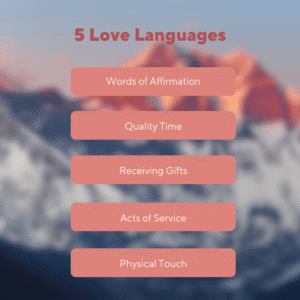
First introduced by Dr. Gary Chapman in his book “The Five Love Languages,” the concept of love languages revolves around the idea that individuals express and receive love in distinct ways. The five primary love languages are:

Understanding one’s love language, as well as the love languages of those around them, can significantly enhance the quality of relationships and overall emotional fulfillment.

The Impact of Love Languages on Emotional Well-Being

Our love language affects how we perceive and experience love, thereby influencing our emotional state and well-being. For men, who may have been conditioned to suppress emotional expression, identifying and understanding their love language can be transformative. By recognizing and embracing their preferred love language, men can better articulate their emotional needs and form deeper connections with their partners, friends, and family members.

Coaching for Men: Nurturing Emotional Intelligence

Coaching tailored for men plays a pivotal role in nurturing emotional intelligence and promoting a healthy understanding of love languages. Through targeted coaching sessions, men can explore and comprehend their emotional landscape, identify their love language, and learn effective strategies for expressing and receiving love in a manner that resonates with them. This not only benefits their personal relationships but also contributes to their overall emotional well-being.

Breaking the Stigma: Encouraging Emotional Expression

In many cultures, there exists a stigma surrounding emotional expression in men. Coaching seeks to challenge and dismantle this stigma by creating a safe space for men to explore and articulate their emotions. By embracing their love languages and understanding how they give and receive love, men can break free from societal constraints and cultivate a greater sense of emotional freedom and authenticity.

coaching for men

The Role of Love Languages in Relationship Dynamics

Understanding love languages is paramount in fostering healthy and fulfilling relationships. Through coaching, individuals can grasp how their love language influences their interactions with their partners. By aligning their expressions of love with their partner’s love language, men can deepen their emotional connection and fortify the foundation of their relationship.

Incorporating Love Languages into Everyday Life

Implementing an awareness of love languages into daily routines can have a profound impact on emotional well-being. Coaching for men empowers individuals to incorporate their love language into various aspects of their lives, whether through heartfelt affirmations, meaningful gestures, quality time spent with loved ones, or physical touch. Such intentional practices contribute to a more enriching and emotionally satisfying existence.

Nurturing Lasting Change Through Coaching for Men

Coaching not only fosters a deeper understanding of love languages but also instills sustainable behavioral changes. By equipping men with the tools to navigate their emotional landscape and communicate effectively through their love language, coaching facilitates lasting transformations that positively influence their well-being and relationships.

Conclusion

In conclusion, the profound connection between love languages and emotional well-being underscores the need for specialized coaching for men. By embracing their love language, men can navigate their emotional landscape with confidence, nurture healthier relationships, and foster a greater sense of emotional fulfillment. As the discourse around emotional well-being continues to evolve, empowering men to understand and express their emotions through their love language is pivotal in cultivating a more empathetic and emotionally resilient society.

Remember, understanding your love language is an ongoing journey, and coaching for men provides invaluable support along the way.

To learn more about how coaching for men can enhance emotional well-being and relationships, reach out to Forte Strong today. We are here to not only help your struggling adult male, but are here for you too. 

Mental Health and Behavioral Issues: Exploring Transitional Living Programs for Young Adults

In an ever-evolving world, the challenges faced by young adults in navigating their mental health and behavioral issues are complex and diverse. The journey towards mental well-being often requires comprehensive and tailored interventions that address the unique needs of this demographic. Transitional living programs, especially designed for young men, have emerged as valuable resources in this endeavor. In this article, we delve into the realm of mental health and behavioral issues faced by young adults and explore the effectiveness of therapy programs tailored to their needs.

The transition from adolescence to adulthood is a period of significant change and self-discovery. During this phase, many young adults grapple with mental health and behavioral challenges that can impact their overall well-being and future trajectories. Recognizing the unique needs of this age group, transitional living programs and therapy initiatives have emerged to provide specialized support.

Understanding Mental Health and Behavioral Issues in Young Adults

Common Challenges

The journey into young adulthood is a phase characterized by a complex interplay of internal and external factors that can significantly influence mental health and behavioral patterns. As young adults navigate the transition from adolescence to full-fledged independence, they encounter a range of common challenges that can impact their psychological well-being. These challenges encompass a diverse spectrum, including academic pressures, career uncertainties, identity exploration, peer relationships, and financial responsibilities.

  • Academic Pressures: The pursuit of higher education and the expectations associated with academic success can create immense pressure on young adults. Balancing coursework, examinations, and future career prospects can lead to heightened stress and anxiety, potentially affecting mental health.
  • Career Uncertainties: The quest to establish a stable career path and make significant life choices can trigger feelings of uncertainty and self-doubt. The pressure to select a suitable career and embark on a professional journey can contribute to feelings of anxiety and apprehension.
  • Identity Exploration: Young adulthood is a period of self-discovery and identity formation. Exploring one’s values, beliefs, and personal identity can be both exhilarating and daunting, potentially leading to feelings of confusion and insecurity.
  • Peer Relationships: Building and maintaining peer relationships takes on a new significance during this phase. The desire to belong and connect with peers, while simultaneously navigating complex social dynamics, can impact self-esteem and emotional well-being.
  • Financial Responsibilities: The transition to financial independence brings with it a host of responsibilities, including budgeting, managing expenses, and making sound financial decisions. The strain of financial obligations can contribute to stress and anxiety.

Impact on Well-being

The untreated mental health and behavioral issues that arise during young adulthood can have profound and far-reaching effects on overall well-being. The challenges and pressures faced during this phase can impact various aspects of a young adult’s life, including physical health, emotional equilibrium, interpersonal relationships, and the pursuit of personal goals.

  • Academic and Vocational Impairment: Mental health challenges can hinder academic performance and impede the pursuit of vocational aspirations. Difficulties in concentrating, managing stress, and maintaining motivation can hinder the ability to excel academically and professionally.
  • Interpersonal Strain: Unaddressed mental health and behavioral issues can strain relationships with family, friends, and romantic partners. Challenges in communication, emotional regulation, and coping strategies can lead to conflict and isolation.
  • Limited Coping Mechanisms: Young adults who lack effective coping mechanisms may resort to maladaptive behaviors, such as substance abuse or risky activities, as a means of managing stress and emotional distress.
  • Developmental Impact: The challenges of mental health and behavioral issues during this crucial developmental phase can impact the acquisition of essential life skills, emotional resilience, and the ability to effectively navigate future life transitions.
  • Long-Term Consequences: Left unaddressed, mental health and behavioral issues in young adulthood can potentially have long-term consequences that extend into later life stages. Early intervention and support are pivotal in preventing the escalation of these challenges.

Transitional Living Programs: A Holistic Approach

What are Transitional Living Programs?

Transitional living programs provide a structured and supportive environment for young adults who are facing mental health and behavioral challenges. These programs aim to bridge the gap between traditional treatment settings and independent living by offering a holistic approach to recovery. Participants engage in therapeutic activities, skill-building exercises, and experiential learning opportunities that empower them to navigate the complexities of adulthood.

Benefits of Transitional Living Programs for Young Adults

Transitional living programs offer a range of benefits tailored to the unique needs of young adults. These programs provide a safe space for individuals to develop essential life skills, such as time management, communication, and problem-solving. The structured nature of the programs also promotes accountability and self-discipline, enabling participants to take ownership of their recovery journey.

Tailored Therapy Programs for Young Men

The Importance of Gender-Specific Treatment

Recognizing that young men may have distinct experiences and needs, gender-specific therapy programs have gained prominence. These programs create a comfortable and supportive environment where young men can openly address their challenges and emotions. Gender-specific therapy acknowledges the unique social pressures and expectations that young men may face, allowing for more targeted interventions.

Therapeutic Approaches for Young Men

Therapy programs for young men often incorporate a variety of evidence-based therapeutic approaches. Cognitive-behavioral therapy (CBT) helps individuals reframe negative thought patterns and develop healthy coping strategies. Group therapy fosters a sense of camaraderie and provides a platform for young men to share their experiences and insights. Additionally, adventure therapy and outdoor activities can help young men build confidence, overcome challenges, and develop resilience.\

transitional living program

Navigating the Journey of Recovery

Personal Growth and Skill Development

Transitional living and therapy programs emphasize personal growth and skill development. Participants learn practical skills that are essential for independent living, such as budgeting, cooking, and time management. These skills empower young adults to build a strong foundation for their future while simultaneously addressing their mental health needs.

Building Resilience and Coping Strategies

Resilience is a cornerstone of mental well-being. Transitional living and therapy programs equip young adults with tools to build resilience and develop effective coping strategies. Through guided exercises, mindfulness practices, and therapy sessions, participants learn to manage stressors, regulate emotions, and navigate life’s challenges.

Conclusion

The intersection of mental health and behavioral issues in young adults calls for targeted and comprehensive interventions. Transitional living programs and gender-specific therapy initiatives have emerged as powerful tools in addressing the unique needs of this demographic. By providing a supportive environment, teaching essential life skills, and promoting resilience, these programs empower young adults to embark on a journey of recovery, growth, and a brighter future.

Unleash Your Potential: The Magic of Life Coaching

In an era teaming with boundless opportunities, it’s not unusual to feel lost or overwhelmed occasionally. This is where life coaching emerges as a ray of hope, guiding individuals towards a journey of profound fulfillment and unparalleled success. Let’s dive deeper into the life-altering voyage that life coaching presents.

Embrace Transformation and Personal Growth

Life coaching revolves around the principles of embracing transformation and nurturing personal growth. It serves as a catalyst for those seeking to navigate a positive metamorphosis in various life spheres. Whether it’s achieving career milestones, fortifying relationships, or cultivating unshakable self-assurance, a life coach serves as an invaluable source of support and direction.

For individuals commencing their expedition into the world of life coaching, it commences with a comprehensive evaluation of their present circumstances and their dreams for the future. Collaboratively, the life coach and the individual identify areas requiring enhancement and construct a bespoke blueprint for growth. Through targeted exercises and insightful discussions, a newfound clarity regarding one’s goals and the path to realizing them is achieved.

Craft Clear and Feasible Objectives

At the core of life coaching lies the establishment of clear and attainable goals. These goals function as the compass guiding individuals toward triumph. A proficient life coach collaborates closely with clients to discern their aspirations and dissects them into bite-sized, actionable steps. This meticulous process guarantees that objectives are not only within reach but also quantifiable.

When it comes to setting goals within the realm of life coaching, it encompasses a systematic methodology. The life coach assists in the formulation of SMART goals—goals that are Specific, Measurable, Achievable, Relevant, and Time-bound. By disassembling larger aspirations into smaller, conquerable tasks, individuals acquire a sense of purpose and continuous advancement. Consistent check-ins with the coach ensure that the path remains illuminated, and necessary adjustments are made along the way.

Conquering Hurdles and Challenges

Life, by its nature, is fraught with hurdles and challenges that can impede personal progress. Through effective life coaching, individuals acquire the prowess to surmount these impediments. With a concentrated emphasis on troubleshooting and resilience, a life coach equips clients with the arsenal required to navigate life’s convoluted pathways with aplomb.

Challenges are an intrinsic part of life’s tapestry, but one’s reaction to them can be transformational. Life coaching extends a secure harbor to explore and address these trials. The life coach assists in the identification of self-imposed restrictions, fears, and counterproductive patterns that may be obstructing progress. Through a fusion of pragmatic strategies and unwavering support, individuals learn to vault over these roadblocks, ultimately converting them into stepping stones towards growth.

Cultivating Self-Confidence and Resilience

The twin virtues of self-confidence and resilience are quintessential for a gratifying life. Life coaching sessions routinely encompass methodologies for amplifying self-esteem and fostering resilience in the face of adversity. These acquired proficiencies empower individuals to confront challenges head-on and emerge from trials stronger and more unyielding than ever before.

Self-confidence and resilience are traits that can be nurtured and fortified. The life coach collaborates with clients to recognize areas in which self-assurance may be lacking, offering a plethora of exercises to fortify it. Additionally, clients learn to reframe pessimistic thoughts and cultivate a more constructive mindset. Through hands-on exercises and unwavering encouragement, individuals become better equipped to contend with setbacks and rebound resolutely from life’s trials.

Enhancing Interpersonal Skills and Relationships

Robust relationships constitute the bedrock of a rewarding existence. Life coaching assists individuals in enhancing their communication abilities and fashioning more gratifying, meaningful connections with others. Whether it pertains to personal or professional relationships, effective communication is the lodestar to achievement.

Effective communication stands as the keystone of wholesome relationships. Life coaching encompasses strategies for honing communication proficiencies, such as active listening, assertiveness, and conflict resolution techniques. By refining one’s capability to express thoughts and comprehend the perspectives of others, individuals cultivate more profound connections and establish more substantial relationships, both on a personal and professional scale.

Achieving Harmony Between Work and Life

In today’s frenetic world, achieving a harmonious equilibrium between work and personal life can be an onerous task. Life coaching underscores the significance of reconciling personal and professional spheres. Coaches assist individuals in discerning their priorities and crafting decisions that steer them towards a more balanced and pleasurable existence.

Securing a work-life balance extends beyond mere time management. The life coach assists in evaluating current commitments and responsibilities, guiding individuals in determining what genuinely holds sway in their lives. Through thoughtful strategizing and the delineation of boundaries, individuals unearth strategies to allocate time and energy to both their careers and personal lives without being besieged by stress. This paves the way for a more fulfilling and less taxing existence.

The Art and Science of Well-being

Life coaching transcends the mere pursuit of external accomplishments; it delves into the realm of inner well-being. Coaches often incorporate principles from positive psychology to enhance mental and emotional health. This all-encompassing approach guarantees that individuals not only attain their objectives but also experience bona fide happiness and contentment along their journey.

In conclusion, life coaching is far from a run-of-the-mill service; it’s an immersive voyage that empowers individuals to unleash their full potential. It’s about transcending constraints, establishing audacious aspirations, and molding a life that resonates with the deepest desires. If you’re prepared to unlock your latent capabilities and embark on a quest toward fulfillment and success, ponder the profound impact that life coaching can wield on your life.